Timber warmth inside, aluminum durability outside. How clad wood windows are built, which species to choose and what maintenance they really need.
Key takeaways
- Aluminum-clad wood windows put a weather-resistant aluminum shell outside and solid or engineered timber inside.
- The air space and drainage between cladding and wood are what protect the timber; the clip system must allow ventilation and movement.
- Species choice affects appearance, stability and cost: pine and larch are economical, oak and teak are denser and premium.
- Exterior maintenance is low; interior timber finishes need occasional care, mainly where condensation or sun exposure occurs.
Aluminum-clad wood windows combine a solid or engineered timber frame, which faces the interior, with an aluminum shell on the exterior that takes the weather. The timber provides warmth, structural stiffness and good thermal performance; the aluminum provides a durable, low-maintenance finish. Performance and service life depend on how the cladding is attached, how water is drained, the timber species and moisture content, and the quality of the interior finish.
How are aluminum-clad wood windows built?
The core of the window is a timber frame and sash, typically made from finger-jointed and laminated lamellas to resist warping, or from solid sections in some traditional designs. The insulating glass is glazed into the timber sash. On the exterior, extruded aluminum profiles are clipped to the timber with plastic or composite clips that allow the aluminum and wood to expand and contract at different rates.
A small ventilated cavity between the aluminum and timber is essential. It allows any water that gets behind the cladding to drain out and lets the timber surface dry. Systems that bond aluminum directly to wood without ventilation or drainage risk trapping moisture against the timber.
Some designs use a thermal break aluminum profile with a timber interior facing instead, sometimes called wood-clad aluminum. Both approaches give a timber interior and aluminum exterior, but their thermal and structural behavior differs. Ask your supplier which construction a series uses.
How do clad wood windows perform thermally?
Timber is a much poorer conductor of heat than aluminum, so a timber frame performs well thermally without a separate thermal break. Combined with double or triple insulating glass, Low-E coatings and warm-edge spacers, aluminum-clad wood windows can achieve low whole-unit U-factors suitable for cold climates. The frame's interior surface also stays warmer than a typical aluminum frame, which reduces condensation risk. As always, compare whole-unit ratings for the configuration you plan to order, and check your local energy code requirements.
Acoustic performance is generally good because the timber frame is dense and the sashes compress onto gaskets. Laminated glass with acoustic interlayers can further improve sound reduction near roads or airports.
Which wood species should you choose?
Our aluminum-clad wood and solid wood product lines use species including pine, larch, red oak (including imported North American red oak), white oak, teak and, for some doors, knotty alder, with other species available on request. Each has a different appearance and performance.
| Species | Appearance | Characteristics | Typical use |
|---|---|---|---|
| Pine | Light, with visible grain and knots in rustic grades | Economical, takes paint and stain well; softer surface | Painted or stained interiors, value-oriented projects |
| Larch | Warm, reddish tones, pronounced grain | Denser and more resinous than pine; good stability | Natural finish interiors, alpine and rustic styles |
| Red oak | Pronounced open grain, warm tone | Hard and stiff; open pores take stain readily | Traditional and transitional interiors |
| White oak | Paler, finer figure | Hard, dense; contemporary appearance | Modern and minimalist interiors |
| Teak | Golden brown, rich | Naturally oily and dimensionally stable; premium cost | Luxury residences, humid climates |
Species choice matters most for appearance and interior finish. Because the aluminum cladding takes the weather, species durability is less critical than for unclad windows. However, stability under changing humidity remains important for sash operation and seal compression.
Moisture content and dimensional stability
Timber moves with humidity. Window timber is kiln dried to a controlled moisture content before machining; finger-jointed laminated sections reduce the risk of twist and bow. For imported windows, ask how the timber is dried and how finished units are protected during shipping, because an ocean container can experience large humidity swings. Well-sealed packaging and a sealed interior finish protect the timber in transit. On site, store units in dry, ventilated conditions and finish installation before wet trades such as plastering are complete, or protect the windows from the humidity those trades generate.
Interior and exterior finishes
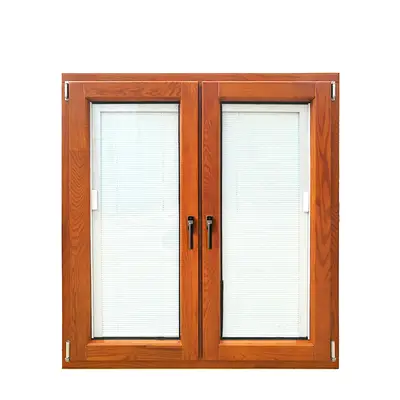
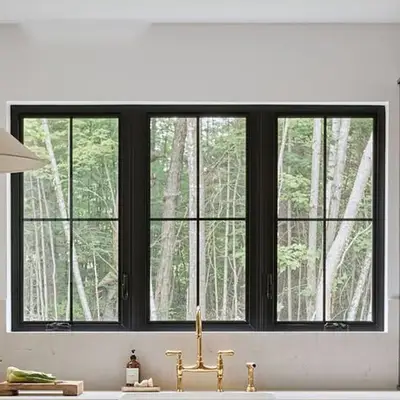
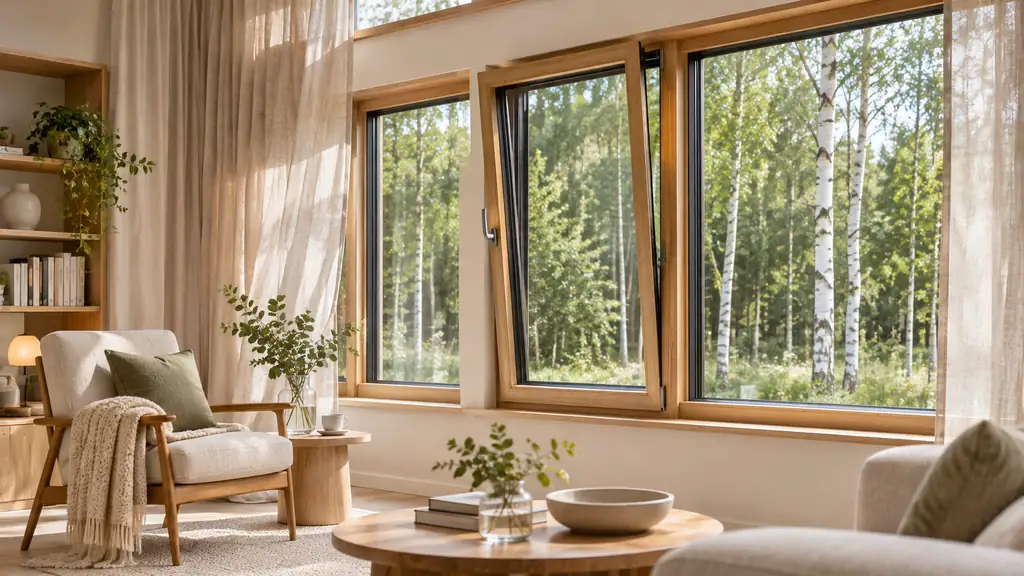
The aluminum exterior is usually powder coated or anodized in a wide range of colors, including wood-grain effects. Exterior and interior colors are independent, so a black exterior can pair with natural oak inside. Interior timber finishes are typically water-based lacquers or stains applied in multiple coats in the factory. Factory finishing gives more consistent results than site finishing and protects the timber from day one.
Warranty questions to ask
Warranties on clad wood products usually separate the aluminum finish, the insulating glass seal, the hardware and the timber. Ask what each component's term is, whether the warranty is transferable to later owners, and what maintenance it requires. Several of our product series carry a 20-year transferable warranty; confirm the terms that apply to the specific series you order.
What maintenance do clad wood windows need?
- Exterior aluminum: wash periodically with mild soap and water, more often near the coast. Keep drainage slots and weep holes clear.
- Interior timber: wipe condensation promptly, avoid harsh cleaners and refresh the finish if it wears, typically on sills and areas exposed to direct sun.
- Hardware: check and lubricate moving parts and adjust sashes if they drift out of alignment.
- Gaskets: inspect for damage and replace if necessary; EPDM gaskets are durable but can be damaged mechanically.
Compared with unclad timber windows, which need regular exterior repainting, clad wood windows significantly reduce maintenance. Compared with all-aluminum windows, they need a little more interior care but offer warmth and a traditional feel.
Glazing and hardware options
Clad wood windows accept the same glazing options as other high-performance windows: double or triple insulating glass, Low-E coatings, argon fill, tempered or laminated lites and decorative or obscure glass. Because timber sashes are deeper than many aluminum sashes, triple glazing fits comfortably without visual bulk. Specify warm-edge spacers to keep the glass edge warmer and reduce condensation at the sight line.
Hardware options follow the operation type: multi-point locks and crank operators on North American casements, perimeter tilt and turn hardware on European designs, and lift gear and rollers on lift and slide doors. Hardware finishes can match the interior timber or the exterior cladding. For traditional designs, ask for handles in finishes that suit the architecture, such as aged bronze or satin nickel.
Do clad wood windows suit all climates?
In cold climates, clad wood windows are a natural fit: the timber frame stays warm, condensation risk is lower and triple glazing integrates well. In hot, humid climates, the aluminum cladding protects the exterior, but interior humidity control matters more, and species with good stability, such as teak or oak, are worth considering. Near the coast, specify a coastal-grade powder coat or anodized finish and stainless hardware, and wash the cladding regularly. In wildfire-prone regions, ask whether a configuration meets local bushfire or wildland-urban interface requirements, which vary by jurisdiction.
What to check when importing clad wood products
- Timber species, grade and source, and any documentation required by the destination market for timber legality or biosecurity.
- Moisture content at manufacture and the protection used during shipping.
- Interior finish type and color, approved on a physical sample.
- Cladding attachment method and drainage concept, shown on section drawings.
- Tariff classification, since wood windows and doors are classified differently from aluminum products.
Clad wood vs thermal break aluminum: how to choose
| Factor | Aluminum-clad wood | Thermal break aluminum |
|---|---|---|
| Interior look | Natural timber | Powder coat or anodized metal |
| Thermal | Timber frame insulates inherently | Depends on thermal break design |
| Sightlines | Wider frames | Can be very slim |
| Interior maintenance | Occasional finish care | Minimal |
| Best fit | Heritage, traditional, warm modern interiors | Contemporary, large glazing, minimal frames |
Styles and configurations
Aluminum-clad wood is available in most operation types: casement, crank casement, outswing, French, tilt and turn, awning, sliding, bay and bow, and special shapes, plus lift and slide doors, French doors and entry doors. Simulated divided lites with exterior and interior bars and a spacer bar between the glass panes allow traditional proportions with insulating glass, which suits heritage-style and colonial designs.
Browse our wood and aluminum-clad wood windows and wood doors. For how these products fit a heritage-style project, see our project solutions, or contact our engineering team with your drawings and species preferences.
Frequently asked questions
How long do aluminum-clad wood windows last?
With a ventilated, drained cladding system, properly dried timber and a good factory finish, clad wood windows provide a long service life with modest maintenance. The aluminum protects the timber from weather; service life depends mainly on keeping drainage clear, managing interior condensation and maintaining hardware and gaskets.
Which wood species is best for clad wood windows?
It depends on the look and budget. Pine and larch are economical and take finishes well. Red and white oak are hard and suit stained or natural finishes. Teak is stable and premium. Since cladding protects the exterior, choose mainly for interior appearance and stability.
Are aluminum-clad wood windows energy efficient?
Yes. Timber conducts far less heat than aluminum, so clad wood frames perform well thermally without a separate thermal break, and their interior surfaces stay warmer, reducing condensation. Paired with Low-E insulating glass, they suit cold climates. Compare whole-unit ratings for the exact configuration.
Can the interior and exterior colors be different?
Yes. The aluminum cladding is powder coated or anodized independently of the timber interior, which receives a factory stain or lacquer. Common combinations include black or bronze exteriors with natural oak or painted white interiors, chosen to suit the facade and interior design.
Related products